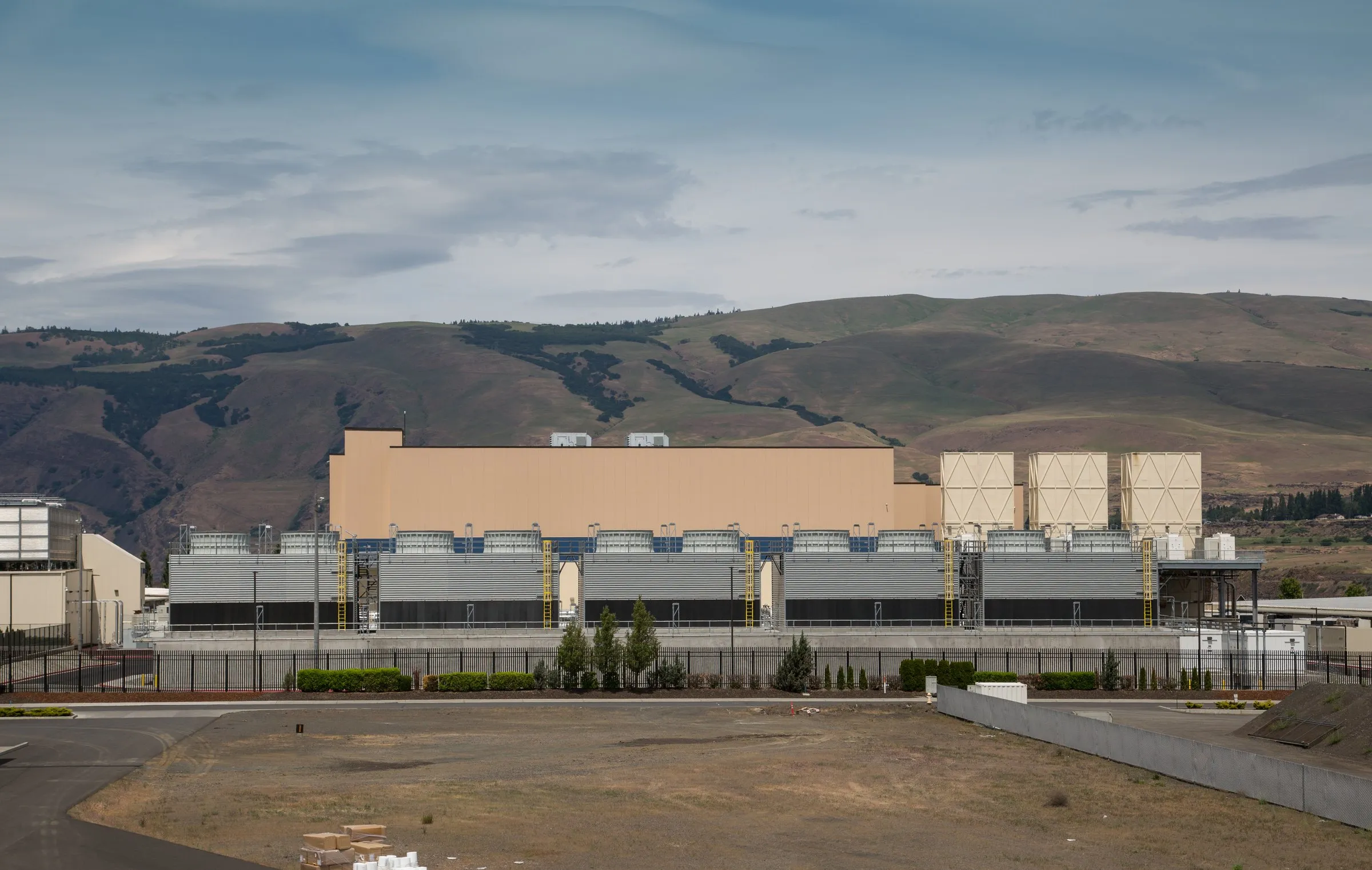
On 21 July, Google announced three new Gemini models at once. The one the industry had been waiting for, a new top-of-the-line Gemini 3.5 Pro to trade blows with the best from OpenAI and Anthropic, was not among them. It is still in testing with partners. The next flagship after that, Gemini 4, is described only as having started its “most ambitious pre-training run yet,” which is a polite way of saying it is months out.
So the headline release was not the smartest model. It was the cheap one getting cheaper, and that turns out to be the more revealing story.
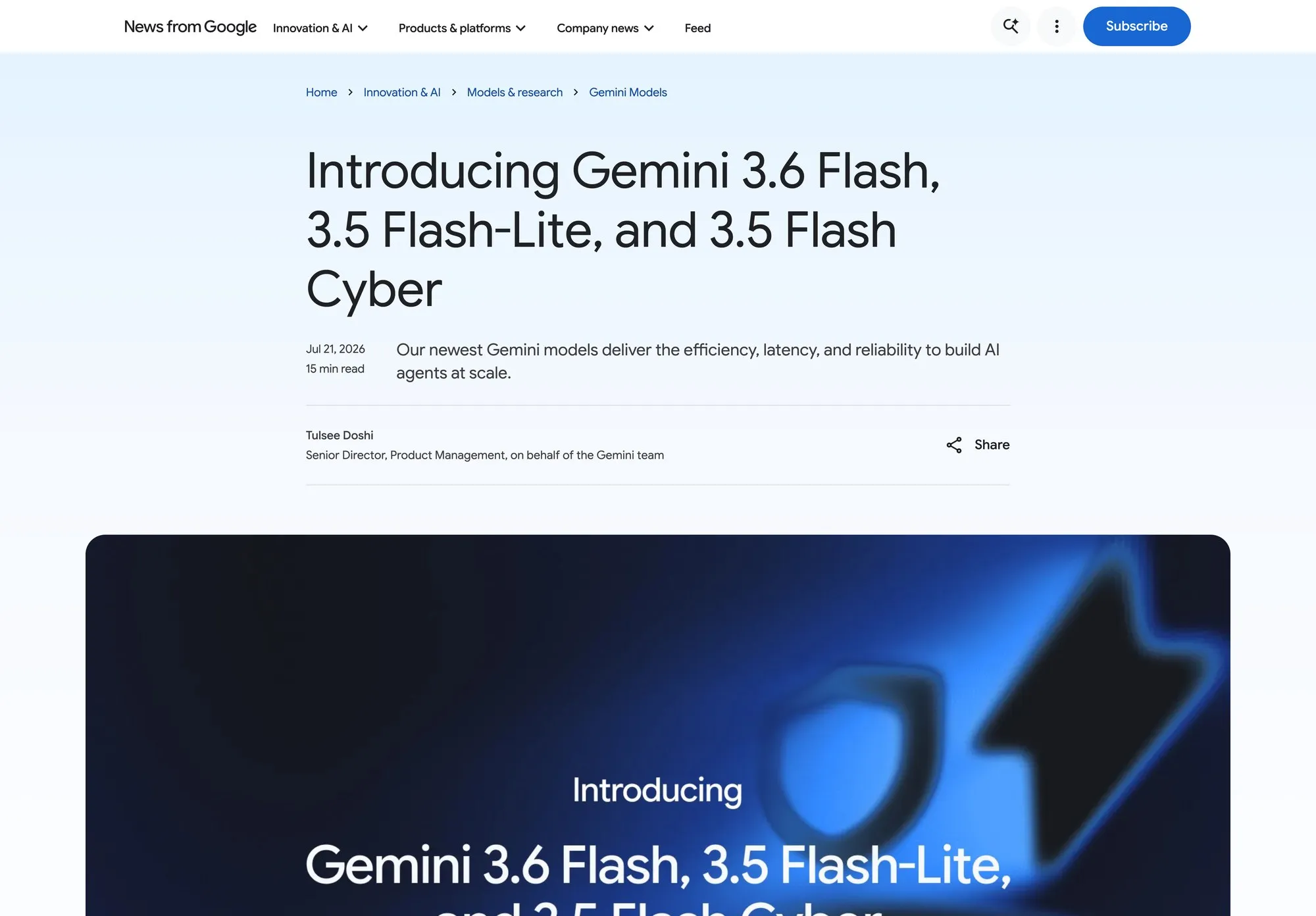
The three that shipped
The centrepiece is Gemini 3.6 Flash, which Google calls its workhorse. It is not meant to top a leaderboard. It is meant to be the model you run millions of times a day without thinking about the bill. It uses up to 17 percent fewer tokens to say the same thing as the model it replaces, and it posts as much as a 65 percent improvement on an agentic coding benchmark. Priced at 1.50 dollars per million input tokens and 7.50 dollars per million output.
Below it sits Gemini 3.5 Flash-Lite, tuned for raw speed at around 350 output tokens per second, priced at 30 cents in and 2.50 dollars out per million. It is built for the high-volume, low-glamour jobs: reading documents, powering the search step inside an agent, anything you do at scale where latency and cost matter more than brilliance.
The third is the odd one. Gemini 3.5 Flash Cyber is fine-tuned to find and fix security vulnerabilities in code, and Google is not selling it to everyone. It goes only to governments and trusted partners, delivered through a system called CodeMender.
Read the token count, not the benchmark
The number worth staring at is not the 65 percent. It is the 17 percent fewer tokens.
A large model’s cost is paid per token, so a model that produces the same answer in fewer tokens is, quietly, a price cut. It does not show up as a lower sticker price. It shows up on the invoice at the end of the month, when the same volume of work costs less because each unit of work is smaller. For anyone running a product on top of these models, that is often a bigger deal than a couple of points on a benchmark nobody outside the field has heard of.
This is the shape of the market right now. The race for the single most capable model is real and it is loud, but the volume, the traffic that actually runs all day, lives in the cheap and fast tier. That is where the current wave of AI agents does its work, firing off long chains of small calls. Shaving the cost of each call is what makes an agent that runs continuously affordable at all. Google releasing a workhorse before a flagship is a statement about where it thinks the money is.
The security model is a policy decision wearing a model’s clothes
Flash Cyber is the most interesting release precisely because of who cannot have it. A model good at finding software vulnerabilities is dual-use by nature. The same skill that patches a hole can be pointed at finding holes to exploit, which is why Google is keeping it behind a gate rather than putting it on the open pricing page.
That is a small preview of a larger question the industry has not resolved. As models get genuinely good at offensive-security tasks, the decision about who is allowed to run them stops being a pricing choice and becomes something closer to export control. Releasing a restricted security model quietly, in the same announcement as two commodity ones, is a way of establishing that posture before it becomes a fight.
None of the three models will win an argument at a dinner party about whether AI is getting smarter. That was not the point of the day. The point was that the part of this technology that already touches the most software got cheaper, one part of it got fenced off, and the flagship everyone wanted to talk about was left to wait its turn.
Photograph: Tony Webster, CC BY 2.0. Screenshot: Google.