The set piece is familiar by now. You tell an assistant to reorder the coffee, book a flight under 300 dollars and keep the fridge stocked, and it goes off and does all of it, money included. The demo is the easy part. The question the demo skips over is the one the payments industry has spent the last year and a half trying to answer, which is how you let a piece of software spend your money at all.
The obvious answer, hand the agent your card number, is also the worst one. A card number is a bearer token. Whoever holds it can charge it, for anything, up to your limit, and the shop on the other end has no way of telling whether a person or a program typed it in. That was tolerable while a human was always the one clicking buy. It stops being tolerable the moment the thing clicking buy can be talked into it by a cleverly worded web page.
That line is from Google, introducing a standard it calls the Agent Payments Protocol, and the assumption it means is that a human is always the one at the keyboard. A whole industry is now unpicking that assumption at once.
The three questions a card swipe never had to answer
Google’s framing is the clearest place to start. It says an agent paying for something raises three questions an ordinary checkout never had to. Was it authorised, meaning did you actually give this agent permission for this exact purchase. Is it authentic, meaning can the shop trust that the agent’s request reflects what you really wanted. And who is accountable when it goes wrong, which it eventually will. A raw card number answers none of these. It just moves money and hopes.
A signed permission slip, not a blank cheque
The protocol’s answer is to make the agent carry proof. Before any money moves, the user signs what Google calls mandates, small cryptographically signed records that are hard to forge and impossible to quietly alter. There are three of them. An intent mandate is the instruction, buy white running shoes under 120 dollars, and for a task you leave running unattended it carries the rules the agent has to stay inside. A cart mandate is the specific basket you approved, the exact items at the exact price, so that what you saw is what you are charged. A payment mandate tells the bank that an agent was involved at all, which is the piece that lets a fraud system weigh the risk and lets everyone work out afterwards who owed what. Chained together they leave a trail that can be checked rather than argued over.
The card networks arrived from the other direction
The same idea turned up independently from the incumbents. In the spring of 2025, within a day of each other, Mastercard and Visa announced their own versions, Agent Pay and Intelligent Commerce. Both lean on a trick the card industry already uses every time you add a card to a phone, called tokenisation, where the real card number is swapped for a stand-in that only works in one narrow context. Mastercard calls its version an agentic token, and the whole point is that it binds that stand-in to one named agent, a limited set of merchants and a consent you granted, so the agent can finish a checkout without ever seeing, storing or reusing the actual card. Revoke the token and the agent’s spending power disappears, with no need to cancel the card underneath it.
Why the boring version is the real one
None of this is the part that gets demoed, and that is the tell.
An agent buying shoes is an interface. A scoped, signed, revocable permission for each purchase is the thing that decides whether you would ever turn it on. And the honest open question is not whether the plumbing works. It is what happens when an agent is fooled into signing a mandate it should not have, because a mandate is only ever as trustworthy as the judgement of the model that agreed to it. These standards make the fraud legible and the liability assignable, which is real progress, and is not the same thing as making it not happen. What the industry has built is a way to prove exactly what you allowed. What no protocol can sign for is whether you should have.
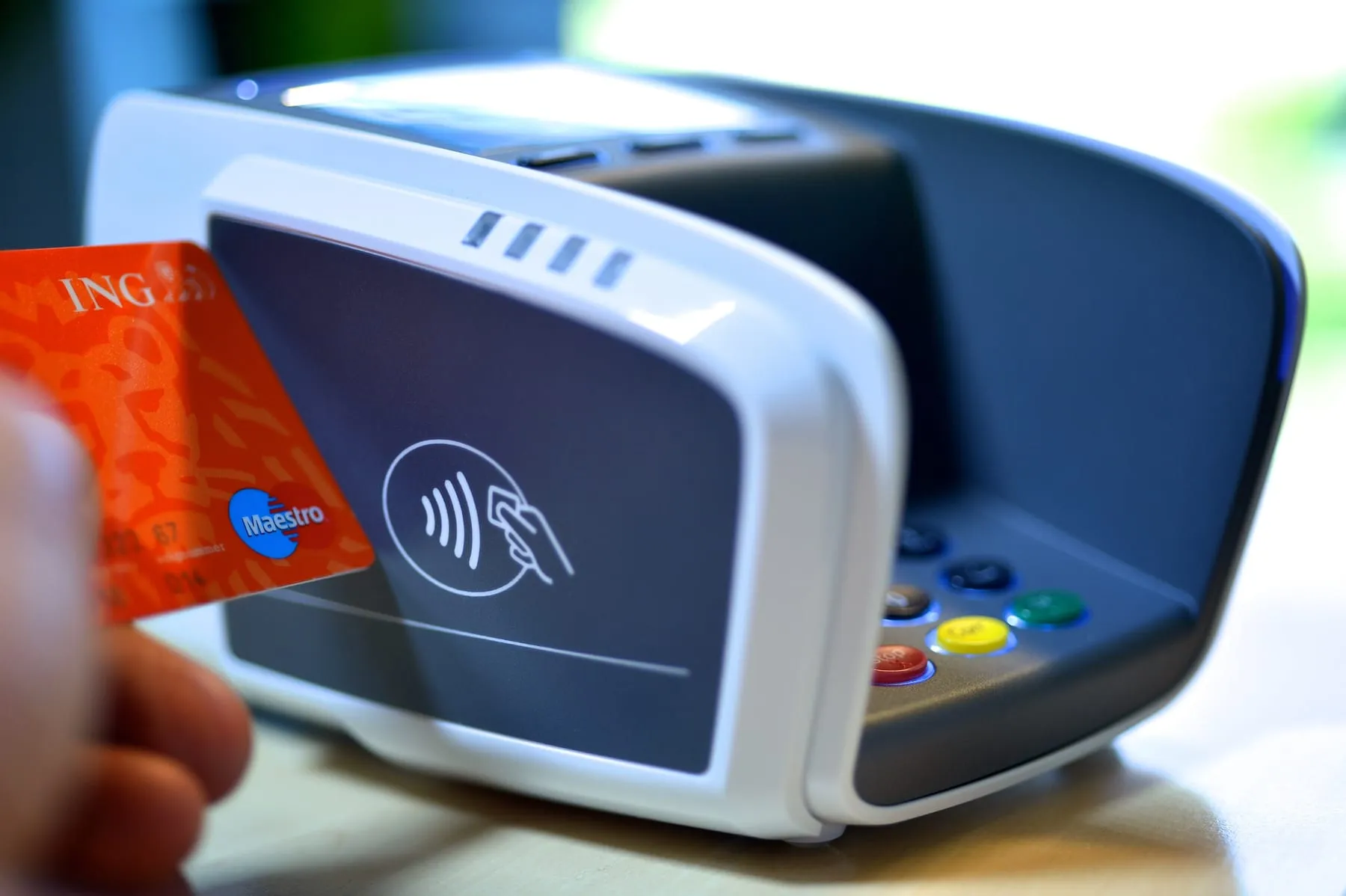
Photograph: ING Nederland, CC BY-SA 2.0.